Identity statement
We finish the part of the home you live with.
Brand Architecture · Concept study
Bespoke home finishing · AvailableA home finishing studio built on one idea: the finish is the part you live with.
"When they open a cupboard in ten years, I want it to still close like the day we fitted it."
The session below is simulated and Finial is a fictional brand, built to show our method. The method is real.
Step 1 · Listen
Every project starts here. We don't ask about colours or pages. We ask why the business exists, and listen for the sentence underneath the answer.
What does your business do?
Built-in cupboards, wardrobes, kitchens, doors, racks. We fit the vanities and do the plumbing fit-off, then all the finishing: trims, handles, shelving, lights.
Why do you do it? Not the business reason. Yours.
Because the last ten percent is what people touch every day. Nobody touches the foundation. They touch the handle, the drawer, the tap. If that's wrong, the whole house feels cheap.
What goes wrong for owners before they find you?
They hire a carpenter, a plumber and a painter separately. Each one blames the other. The owner becomes the site manager and finds out about problems on WhatsApp at 22:00.
What do owners phone you about most?
"Is anyone on site today?" "What did that extra cost?" "Who's fixing the door that doesn't close?"
How should it feel when someone visits the site?
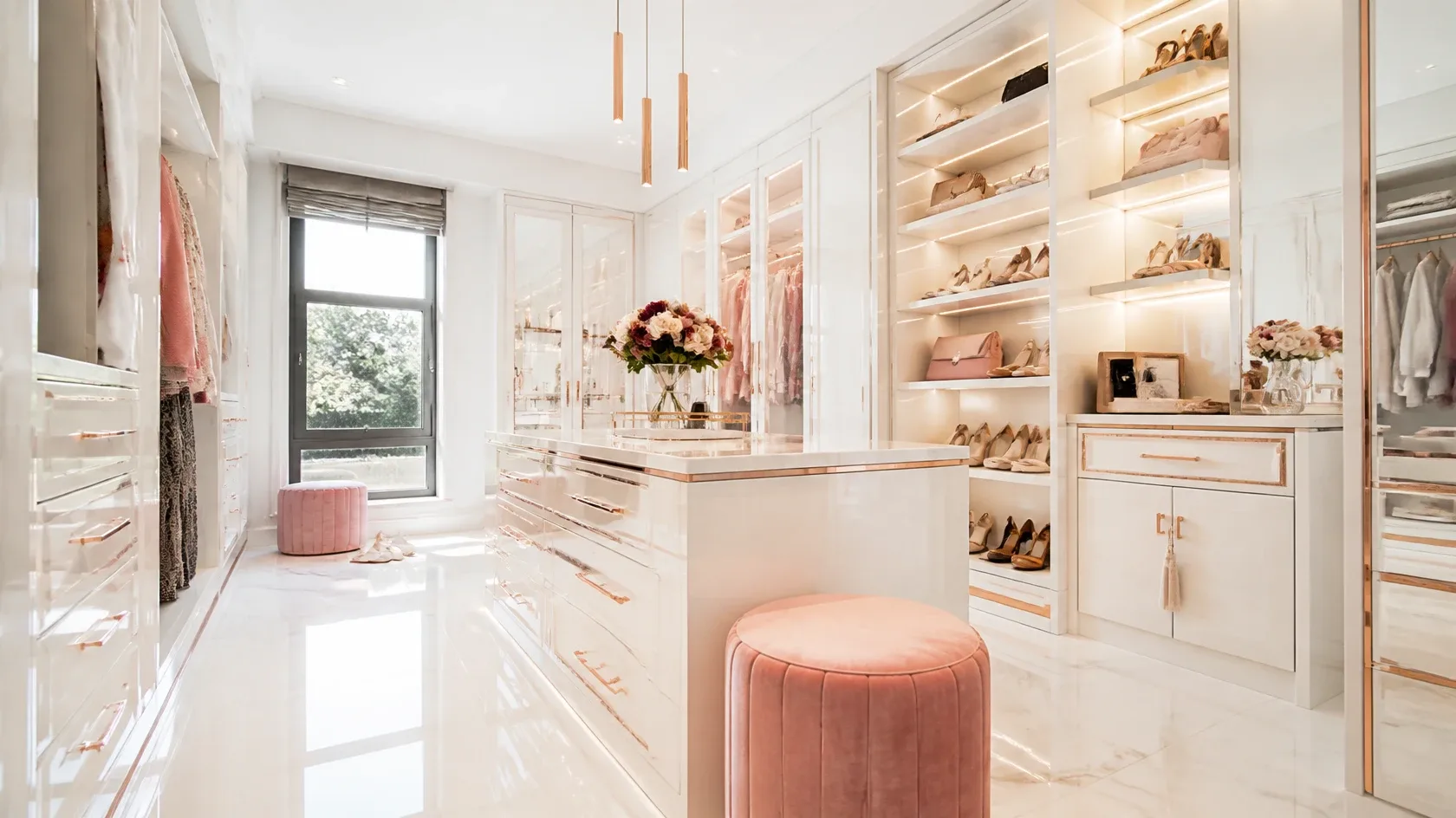
Like walking into a showroom that's very quiet. White, a bit of rose gold on the handles, dark wood. Expensive, but not loud.
What would you never do?
Leave a site without telling the owner. Add a cost they didn't approve. Hand over with a snag still open.
If the website could do one thing, what would it be?
When they open a cupboard in ten years, I want it to still close like the day we fitted it. The site should make them believe that before we meet.
Simulated session · fictional client. A real session runs longer and covers more ground; these are the exchanges that shaped Finial.
Step 2 · Extract
We write the identity down in seven short outputs. Every design decision after this has to trace back to one of them.
Identity statement
We finish the part of the home you live with.
Purpose
So that owners design the home they want and never have to manage the trades who build it.
The feeling, before and after
The moment of arrival
Ten years on, an owner opens the wardrobe. The door swings quietly, the handle is cool and true, the shelf hasn't moved. They don't think about it. That is the point.
Five principles
Words we use, words we avoid
The one moment the website must create
The doors open.
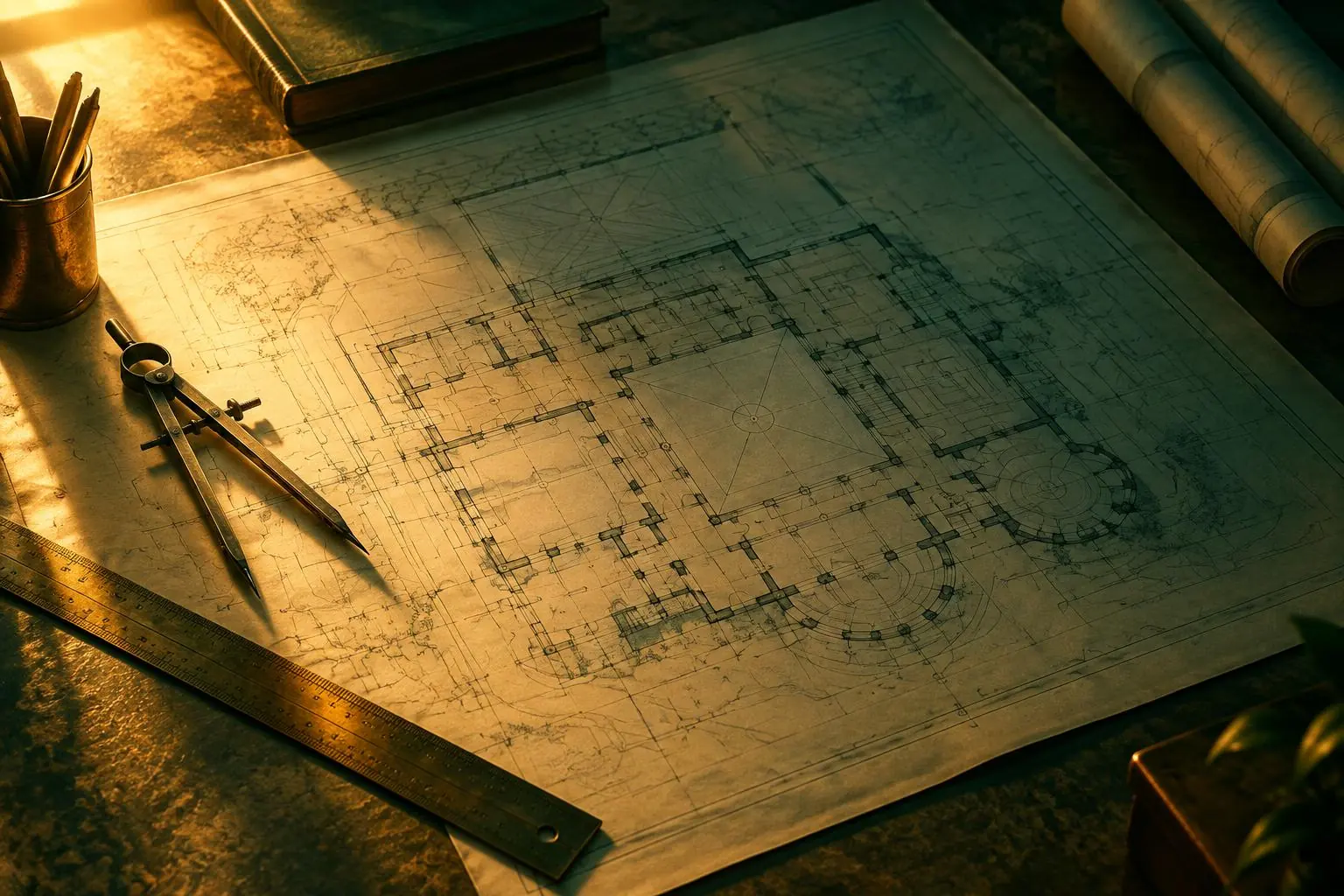
A visitor should watch a wardrobe being drawn, measured and fitted before reading a word. The opening draws a blueprint in rose gold, fills it with panels and swings the doors open onto a finished room.
Step 3 · Architect
Our framework, filled in for this brand. Read it from the foundation up: nothing above a layer can contradict the layer below it.
Measurement
Snags closed before handover, variations approved in writing, days on schedule, call-backs in year one.
Execution
A blueprint that becomes cupboard doors, a moving workshop light and a live Project Room.
Process
Design visit. Drawn and measured. Made in the workshop. Fitted by one team. Snag walk. Signed off.
Systems
One schedule for every trade, a variation that needs the owner's tap, a snag list with photos.
Structure
Six services, from cupboards and kitchens to plumbing fit-off and the finishing touches.
Principles
Drawn first
One team
Visible
Approved
Closed
Purpose
So that owners design the home they want and never have to manage the trades who build it.
Identity · the foundation
We finish the part of the home you live with.
Step 4 · Translate
Nothing on the site is decoration. Each choice answers something the client said. The tag shows which layer of the building it belongs to.
"The last ten percent is what people touch every day."
The name Finial
The crafted piece that finishes the top of a post. A small detail that completes the whole.
"When they open a cupboard in ten years."
The opening: drawn, filled, opened
A wardrobe elevation draws itself in rose gold with real dimensions, fills into panels, a handle catches the light and the doors swing open onto the finished room.
"White, a bit of rose gold, dark wood. Expensive but not loud."
Palette and surfaces
White and rose gold on light sections; matte black and walnut for depth. Plush cards, slow light and fine dust drifting through workshop beams.
"Each one blames the other."
One team, six services
Cupboards and wardrobes, kitchens, doors, bathrooms and plumbing fit-off, racks and studies, and the finishing touches, on one schedule.
""Is anyone on site today?""
The live trade schedule
Who is on site, which day, in which room, and a feed of what each trade finished, as it happens.
""What did that extra cost?""
Variations the owner approves
Every change shows its price and waits for the owner's tap; the budget updates the moment they approve.
"Hand over with a snag still open. Never."
The snag walk
Each snag moves from open to fixed by the site team to approved by the owner. Handover waits for the last one.
"Like walking into a quiet showroom."
The finishes chooser
Owners pick carcass and hardware and watch a cabinet change in front of them, before the design visit.
"Make them believe it before we meet."
Measure the finish, not the visit
Snags closed before handover, variations approved in writing and call-backs in year one are the numbers the studio is judged by.
Step 5 · Produce
Seven things the business keeps. The website is one of them, and it is only as strong as the six behind it.
1
Identity brief
Identity, purpose, principles and the feeling, on one page.
2
Brand line
"The finish is the part you live with."
3
Service architecture
Six services on one team's schedule.
4
The website
A blueprint that opens into the finished room, then services and booking.
5
The Project Room
A live owner and site-team dashboard: stages, feed, snags, variations and budget.
6
The finishes chooser
Carcass and hardware, previewed before the design visit.
7
The measure
Snags closed before handover, approved variations, call-backs in year one.
Step 6 · Make it yours
One business per city. We don't hand over a template: we run your identity session and rebuild the concept around your answers, so it's yours, not a copy.
R9,500 once-off
Founding price R8,500 for the first 3 businesses · then R450 a month for care · 50% to reserve your city, 50% at launch
1. Identity session
We run the same session you just read, with you. Your why, your nevers, your clients' words.
2. Adaptation
The concept is rewritten around your answers: your name, your story, your services and your photographs.
3. Build
We build it on your own web address, with your booking and contact details.
4. Launch and care
We launch it with you and look after it monthly, so it keeps matching who you are.
Brand Architecture
A concept licence is the fast route through our Brand Architecture work. If your identity isn't clear yet, these are the steps it compresses. Start with any of them.
Brand Gap Check
Ten questions about how your business shows up.
Free
The Brand Clinic
a working session where owners answer the five identity questions every brand is built on, with live diagnoses in the room.
R1,499 per seat
Brand Architecture Survey
a private, written diagnosis of where your brand and your business stopped matching, read from your answers and your actual materials.
R1,449 founding price (20 of 20 places left), then R2,450
Business Brand Blueprint
the full identity-first design of your business brand.
R10,000
Brand System Build
we build the brand your Blueprint designed.
from R18,000
Brand Stewardship
ongoing brand direction once the system is in place.
R10,000 a month
Send them this page with a ready-written note, and they can forward it themselves.